Designing AI-assisted legal workflows at DecoverAI
role: product design consultant
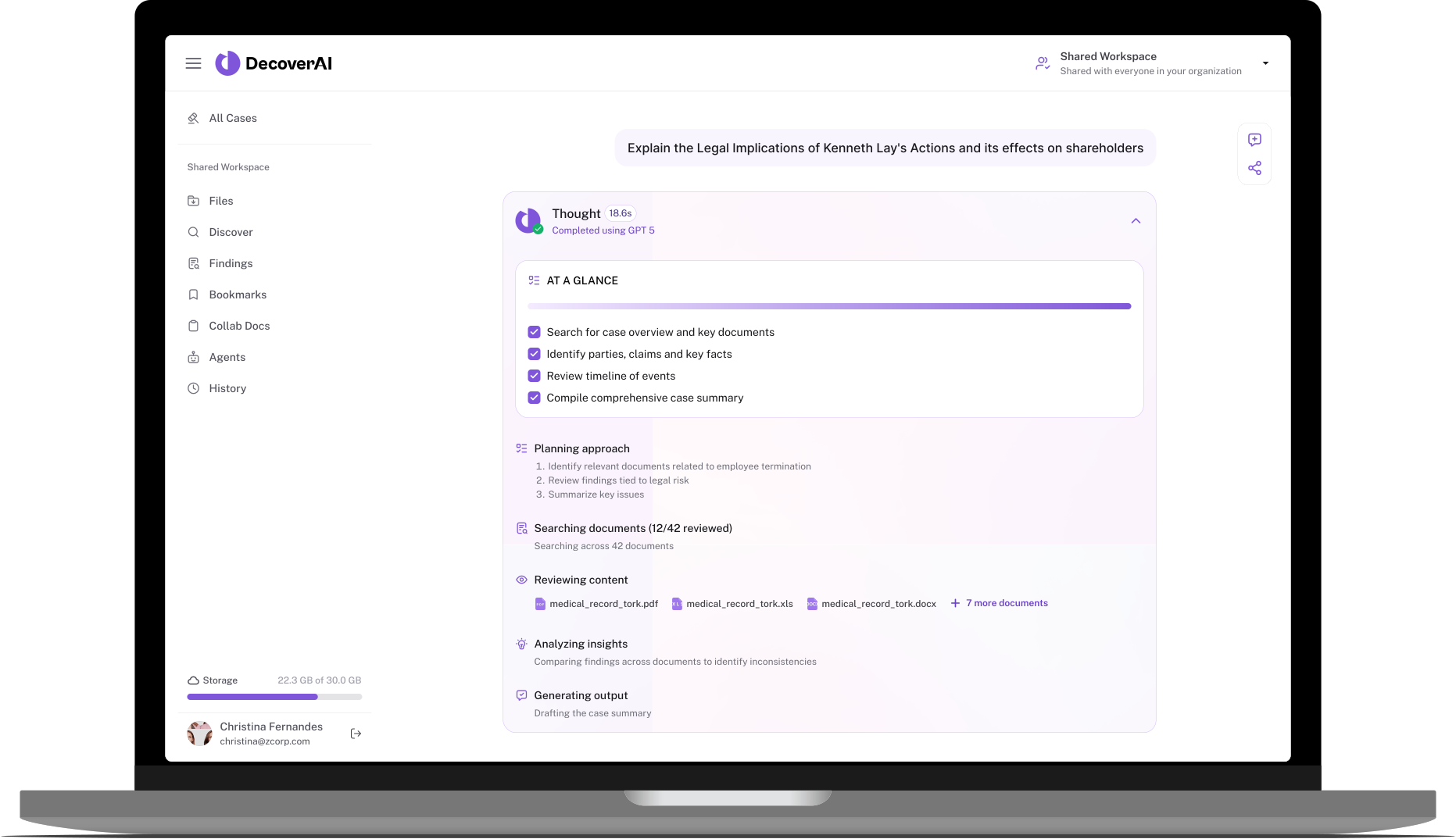
DecoverAI is a legal-tech startup that helps legal teams manage and analyze large volumes of documents using AI.
I worked as a product design consultant across end-to-end workflows, including file ingestion, document organization, AI insights, and explainability.
Legal teams often work with hundreds of documents across a single case.
Existing tools made it difficult to:
1. Ingest and manage files efficiently
2. Organize documents around real legal workflows
3. Surface meaningful insights from unstructured text
4. Understand why an AI system reached a specific conclusion
At an early-stage startup, this was further complicated by evolving requirements and the need to design AI interactions.
To design a cohesive, scalable product experience that helps legal teams:
- Quickly ingest and organize large document sets
- Extract key findings and insights with minimal manual effort
- Build trust in AI outputs through transparency and explainability
All while keeping the interface intuitive for non-technical users.
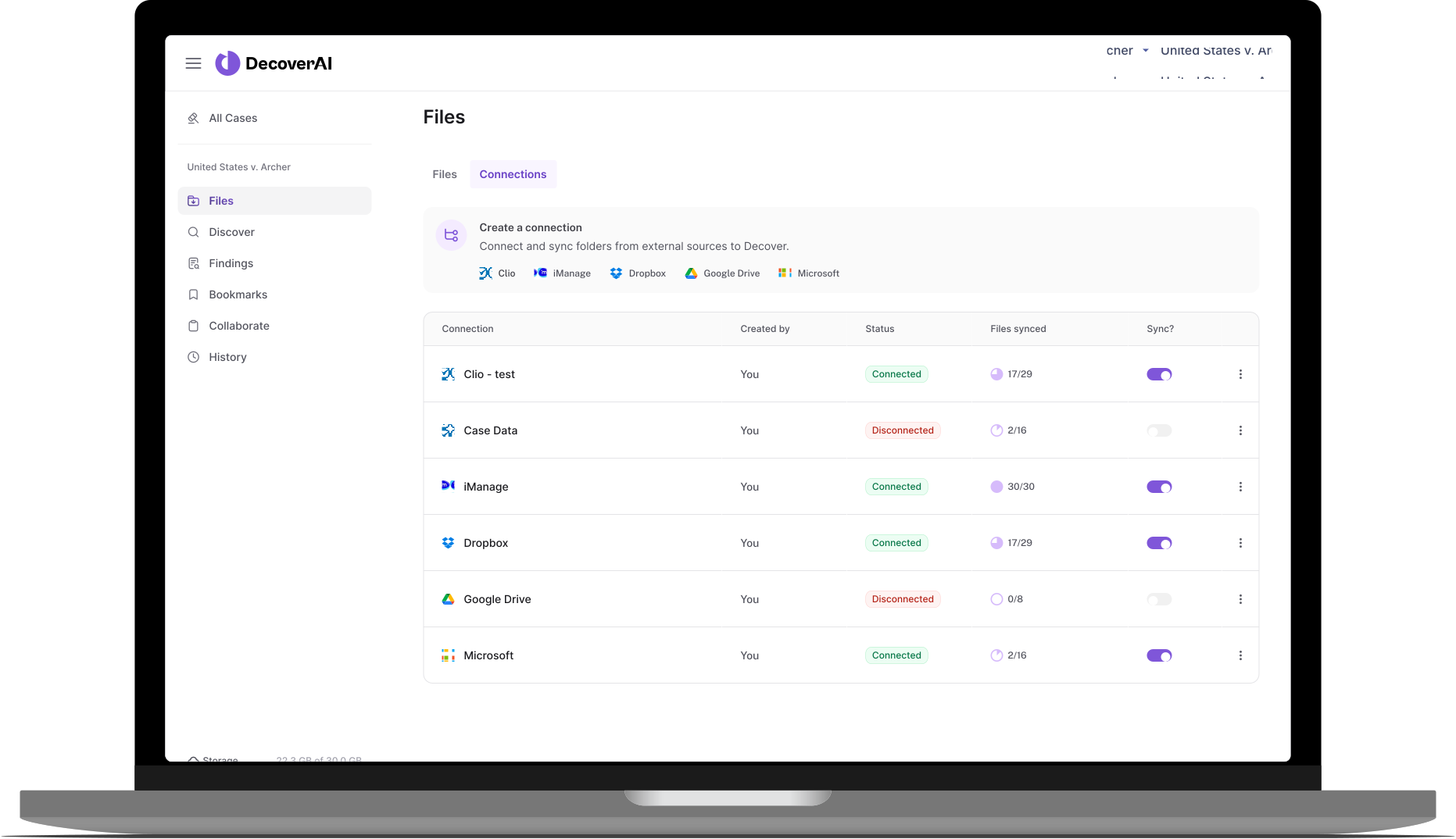
1. File Manager & File Ingestion
Problem: Uploading and managing large volumes of files was time-consuming and error-prone, making it difficult for users to get started quickly.
Solution:
Redesigned the file ingestion flow to support bulk uploads and clearer system feedback.
Improved file status visibility (processing, ready, failed)
Designed a structured file manager that scaled with large case sizes
Impact: Reduced friction during onboarding and created a clearer foundation for downstream AI features.
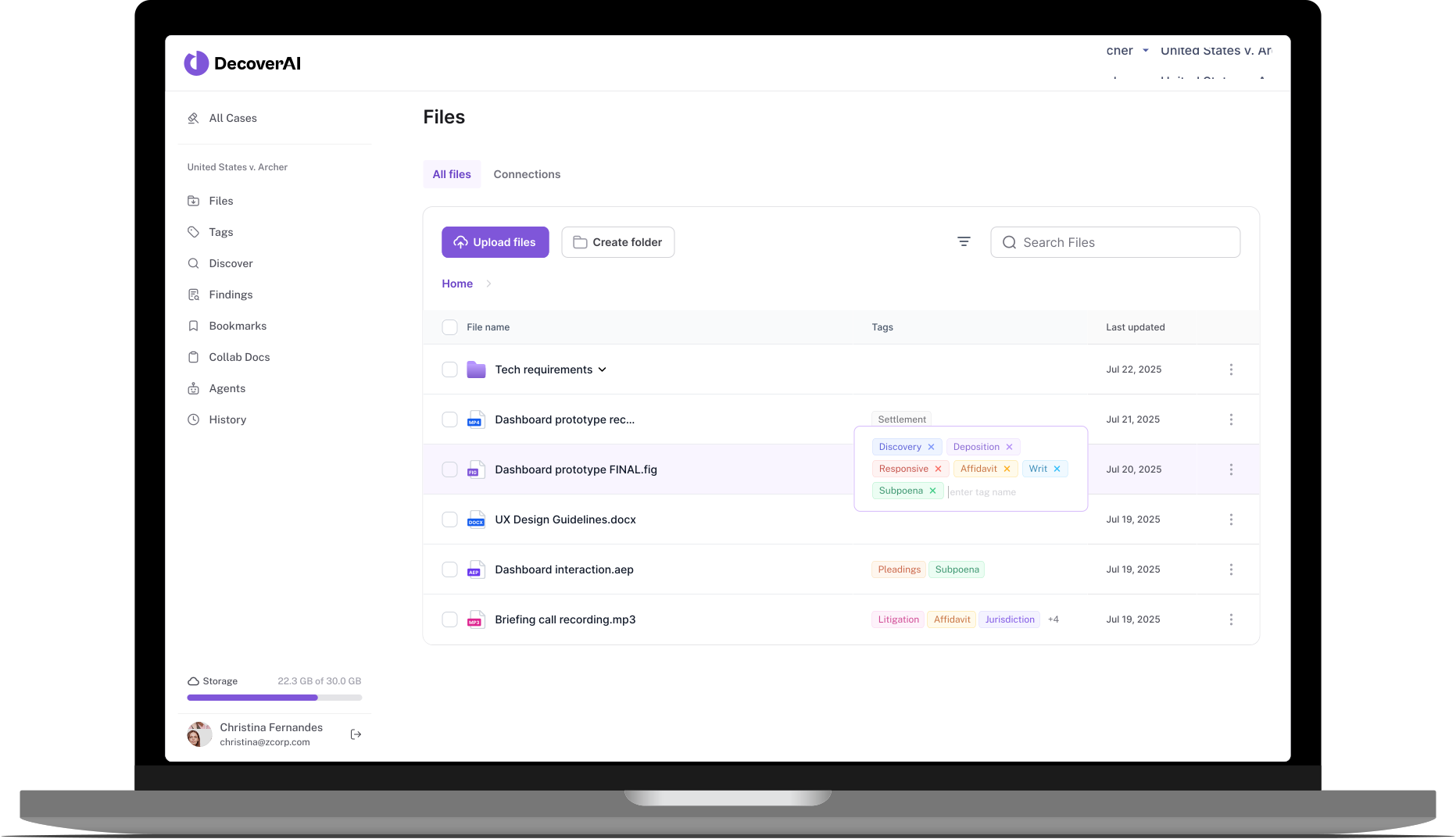
2. Tagging System for Document Organization
Problem: Legal teams needed a flexible way to organize documents beyond folders, without adding cognitive overhead.
Solution:
Designed a lightweight tagging system that allowed users to categorize documents by theme, issue, or relevance.
Ensured tags were reusable across workflows and surfaced contextually.
Impact: Enabled faster document retrieval and supported more meaningful AI-driven analysis.
3. Thinking: AI Explainability
Problem: Trust is critical in legal workflows, and users were hesitant to rely on AI outputs without understanding how conclusions were reached.
Solution:
Designed a “Thinking” experience that explains how the AI arrived at a conclusion
Made AI reasoning transparent without overwhelming users with technical detail
Focused on clarity, traceability, and confidence-building interactions
Impact:
Increased user trust in AI-assisted insights and supported adoption in high-stakes legal contexts.
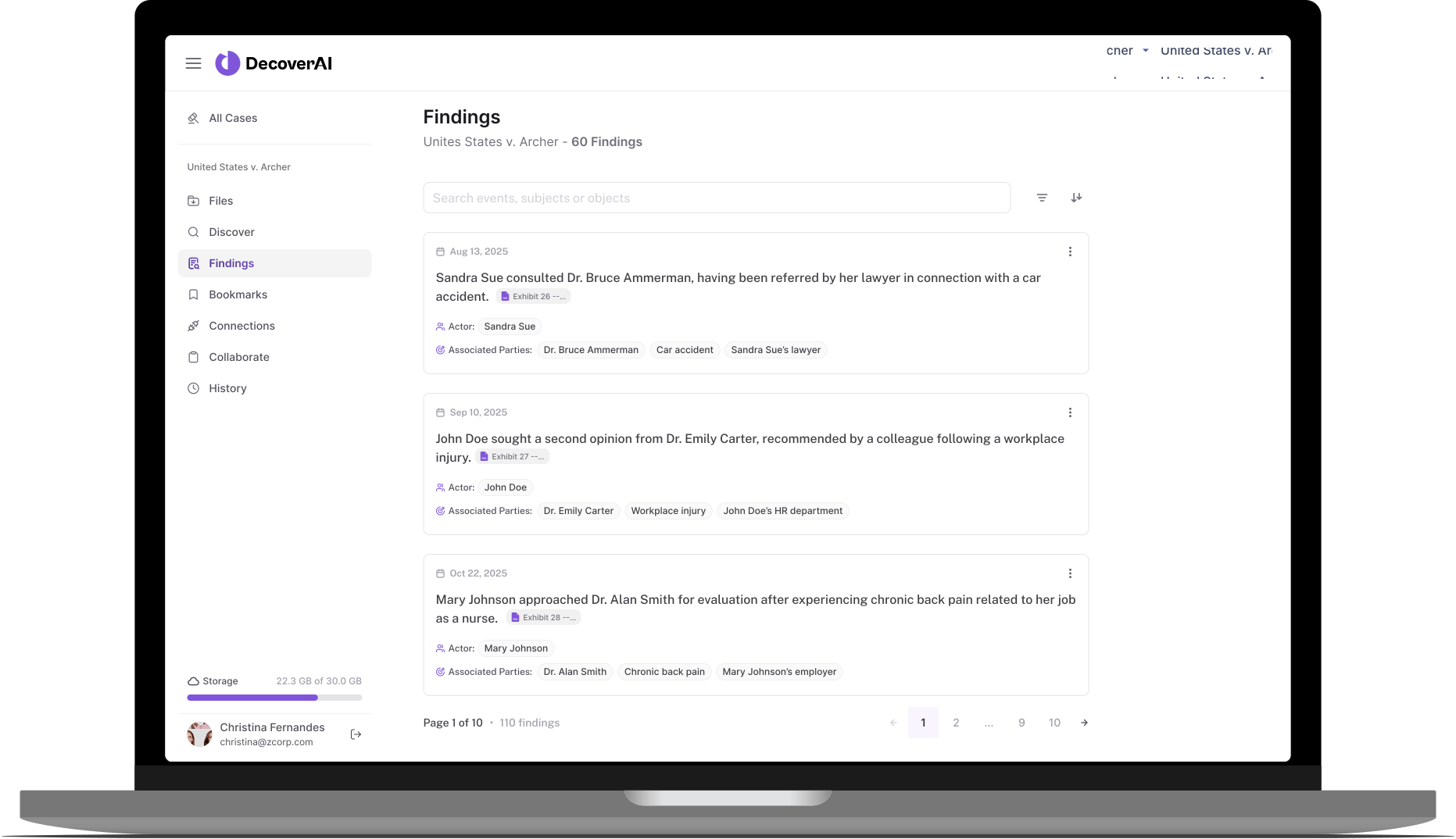
4: Findings: Surfacing Key Insights
Problem: Users struggled to extract actionable insights from long, complex documents under time pressure.
Solution:
Designed a “Findings” feature that surfaces key facts, events, and insights generated by AI
Focused on scannability, hierarchy, and clear sourcing back to original documents
Allowed users to validate and reference findings without losing context
Impact: Helped users move from document review to insight discovery more efficiently.
